
+1 250-855-2260
Contact us

Category: Content Marketing

  • What is the difference between Tartan and Plaid.

    What is the difference between Tartan and Plaid.

    The terms “plaid” and “tartan” are often used interchangeably, but they have distinct meanings rooted in history, culture, and geography. Understanding the difference between the two requires exploring their origins, usage, and cultural significance, particularly in the context of Scottish heritage. This discussion will also consider how these patterns have evolved over time and how they are perceived and used in contemporary contexts.

    Definitions and Origins

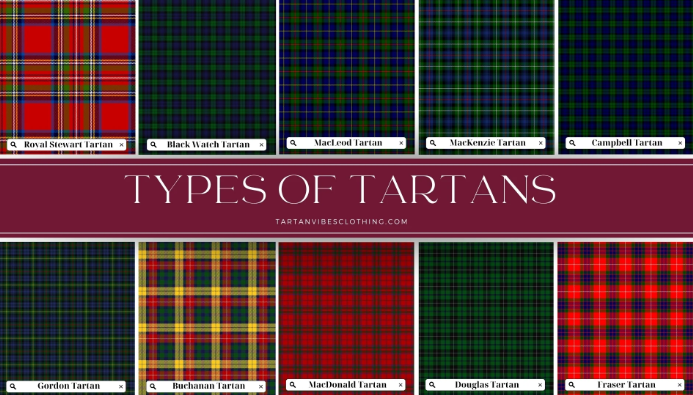
    Tartan refers specifically to a pattern of crisscrossed horizontal and vertical bands in multiple colors, woven into cloth. Traditionally associated with Scotland, tartans are created by weaving colored threads in a warp and weft pattern, producing distinctive checks. Each tartan design, known as a “sett,” is unique and often carries symbolic significance, representing specific clans, families, regions, or institutions. Tartans are registered and cataloged in various tartan registries, with the Scottish Register of Tartans being the most notable modern repository.

    Plaid, on the other hand, originates from the Gaelic word “plaide,” which means blanket. Historically, in Scotland, a plaid was a large piece of fabric, often tartan-patterned, worn as a cloak or draped over the shoulder. The Great Plaid (or “Feileadh Mòr” in Gaelic) was a long, versatile garment that could be used as both clothing and bedding. Over time, especially in North America, “plaid” came to refer to any fabric or garment with a checked pattern, regardless of whether it was authentically tartan.
    Historical Context

    Tartan in Scottish History

    Tartan’s history is deeply intertwined with Scotland’s cultural and political identity. Archaeological evidence suggests that checked patterns were used in textiles as early as the Bronze Age, though these early examples were not associated with clans. The earliest known tartan in Scotland, the “Falkirk Tartan,” dates to the 3rd century AD. This simple pattern of natural and brown wool was discovered in a Roman-era site and provides evidence of woven checked fabrics in early Scottish society.

    By the 16th and 17th centuries, tartan had become a significant part of Highland dress. Specific patterns began to be associated with certain regions or groups, but it wasn’t until the 18th century that tartan became closely linked with Scottish clans. This association was formalized during the rise of tartan’s popularity in Highland regiments, where tartan kilts became a key part of military uniforms.

    The Jacobite uprisings of the 18th century further solidified tartan’s cultural symbolism. After the Battle of Culloden in 1746, the British government passed the Dress Act, which banned the wearing of tartan and other traditional Highland attire in an attempt to suppress Highland culture and prevent rebellion. This prohibition lasted until 1782, after which tartan experienced a resurgence, fueled by romanticized notions of Scottish identity.

    The 19th century saw a tartan revival, popularized by King George IV’s visit to Scotland in 1822 and Queen Victoria’s fondness for Balmoral Castle. During this period, tartans were systematically cataloged and associated with specific clans, solidifying the modern concept of tartan as a marker of heritage and lineage.

    Plaid in Historical Use

    While tartan has a clear Scottish origin, “plaid” originally referred to the garment rather than the pattern. In Highland Scotland, a plaid was a practical piece of clothing, serving as a shawl or blanket to protect against the harsh climate. The Great Plaid, a precursor to the modern kilt, was a large length of tartan fabric that could be pleated and belted around the waist while the rest was draped over the shoulder.

    When Scottish emigrants brought their traditions to North America, the term “plaid” began to evolve. English-speaking settlers used “plaid” to describe the patterns they associated with Scottish textiles. Over time, in North American English, “plaid” became synonymous with any checked or tartan-like pattern, regardless of its cultural origins.

    Cultural Significance

    Tartan as a Symbol of Identity

    Tartan’s role in Scottish identity is unparalleled. Each tartan design can represent a clan, family, or region, creating a tangible link to ancestry and heritage. Clan tartans, though largely a 19th-century invention, are now deeply ingrained in Scottish culture. Tartan is also used by institutions, military units, and even corporations, further broadening its symbolic reach.

    In modern times, tartan is celebrated during events such as Tartan Day, observed annually on April 6 to honor Scottish heritage. The use of tartan in formal Scottish attire, such as kilts and sashes, continues to be a powerful expression of cultural pride.

    Plaid in Global Fashion

    Plaid, as it is understood outside Scotland, has a more universal and less culturally specific connotation. It has become a staple in global fashion, often associated with casual or rustic styles. The versatility of plaid patterns has made them popular in garments ranging from flannel shirts to scarves and skirts. Plaid patterns can be found in textiles worldwide, with variations influenced by local weaving traditions.

    The adoption of plaid by various subcultures, such as grunge in the 1990s, has further cemented its place in contemporary fashion. Unlike tartan, plaid lacks the strict rules and associations of heritage, making it a more flexible and accessible design element.

    Key Differences

    1. Cultural and Historical Roots:
      • Tartan is inherently Scottish, tied to clans, regions, and national identity.
      • Plaid, while originally Scottish, has evolved into a general term for checked patterns in North American and global usage.
    2. Symbolism:
      • Tartan carries deep symbolic meaning, often representing lineage and heritage.
      • Plaid is primarily a decorative pattern with no intrinsic cultural associations.
    3. Formal Recognition:
      • Tartan designs are often registered and cataloged, with specific rules governing their use.
      • Plaid patterns are not subject to such formalities and are freely created and adapted.
    4. Usage in Clothing:
      • Tartan is traditionally used in kilts, sashes, and other formal Scottish attire.
      • Plaid is more commonly seen in everyday wear, such as flannel shirts and blankets.

    Modern Interpretations

    In contemporary design and fashion, the distinction between tartan and plaid is often blurred. High-end designers and fast-fashion brands alike incorporate tartan-inspired patterns into their collections, sometimes without regard to their cultural significance. This appropriation has sparked discussions about the importance of respecting the origins and meanings of traditional designs.

    Despite this, tartan remains a proud symbol of Scottish heritage, celebrated at events like Highland Games and worn during special occasions. Plaid, meanwhile, continues to enjoy widespread popularity as a versatile and timeless pattern.

    Conclusion

    The difference between plaid and tartan lies in their origins, meanings, and cultural significance. Tartan, with its roots in Scottish history, represents a unique and powerful symbol of identity, heritage, and tradition. Plaid, while initially connected to Scottish garments, has evolved into a more general term for checked patterns in the global lexicon. Understanding these distinctions not only honors the cultural legacy of tartan but also highlights the ways in which patterns and textiles can transcend their origins to become part of a shared global aesthetic. By respecting and appreciating these differences, we can celebrate the rich history and versatility of both tartan and plaid in modern society.

  • Marketing basics, how to use the 7 Ps of marketing

    All businesses undertake marketing, from the basic marketing to complex marketing strategies, all have their foundations around the 7 Ps of marketing.
    Effective consistent true marketing will help to achieve sustainable business success. It will build awareness, attract customers and build lasting, profitable relationships.

    Defining marketing
    Marketing at its simplist is about communication, every action a business undertakes, communicates a message to stakeholders. Marketing is planning, monitoring and the mangement of your commications via your processes, the people in your business, the pricing of your delivery, distribution and promotion of products and services to satisfy the needs of your customers.

    Marketing requires information to be gathered, interpretated and managed successfully. You need to carry out both market and marketing research to fully understand where your business fits in the mind of your customers and their needs.
    Marketing is about the principles that guide your customer-focused actions.

    It is a comprehensive process that determines how to go to market with your products and services. For your marketing to be successful, you’ll need a strong understanding of your brand positioning and the needs of your customers.

    Both science and art are important elements of marketing practice. The science of insights, analytics and metrics, and the art of creative ideas and clever execution should work together.

    Marketing challenges
    Many businesses find it challenging to do effective marketing because of:

    lack of time and resources (like staff and money)
    the growing complexity and continuous change in the world their business operates in, including
    new technology and new channels, which require new skills and specialisation
    increased competition, which has given customers an abundance of choice.


    Technological advances have made customers more connected, informed and empowered than ever before. To meet the changing expectations, preferences and behaviours, your business must be both brand driven and customer focused.
    In practice this means that you should start with strategic thinking, marketing strategy and planning before getting into the tactics (the steps and activities).

    By understanding your current situation, you’ll be better able to recognise gaps and make improvements. To get more out of your marketing efforts, answer the following questions:

    What role does marketing currently play in your business?
    Does your marketing strategy align with your business strategy?
    Does your business have the right marketing skills and resources?
    The 7 Ps of marketing
    Marketing is delivered through a combination of elements—the ‘marketing mix’. These elements are also often referred to as the 7 Ps of marketing.

    This popular and practical marketing model can help you to:

    do a marketing audit
    refine your value proposition
    do a competitive analysis.
    Review your 7 Ps regularly


    Assess your 7 Ps regularly to make sure they keep up with:

    your competitors
    changing customer needs
    technological advancements.

    Product
    Product refers to what you create and deliver to meet the needs of your customers.

    It requires you to think about:

    what problems you’re solving for your customers
    how to exceed their expectations.
    It includes your products and services, as well as the features, benefits, and value your products and services offer customers.

    Value is not just about price, quality and style
    Value also includes:

    availability (e.g. trading hours and access to online ordering)
    options (e.g. a choice of payment methods or added extras)
    packaging (e.g. using sustainable or recycled materials or innovative designs)
    accessories (e.g. offering a customisable range or product bundles)
    warranties (e.g. offering express and extended guarantees)
    repairs (e.g. annual maintenance or on-site callouts)
    support (e.g. account managers or online tutorials).

    You can do customer research to find out which of these factors your customers value most.

    Price
    Price refers to your business pricing strategy and how customers pay for your products and services.

    It’s the all-important value exchange—that is, the price customers are prepared to pay for the benefits you deliver.

    When deciding on prices, you need to know:

    how much demand there is for what you’re offering
    how much your customers are prepared to pay for it
    your expenses and costs
    your required profit margin.


    To attract and retain customers, your ideal pricing strategy should:

    align with your business type and goals
    reflect your desired brand positioning
    consider your competition.

    Place
    Place refers to where your products and services are made, found, distributed, sold and supported. It can be a physical location, a digital presence, or both.

    Whether it’s real or virtual, the design must:

    project your business brand
    be based on customer needs
    give customers easy and convenient access to your products and services.

    You may engage directly with customers, or your distribution model could include third-party intermediaries, such as:

    partners
    resellers
    couriers.

    Your distribution model forms part of the customer experience and must be actively managed.

    You could also do a review of your marketing channels to see if you’re targeting your promotions in the right places.

    Promotion
    Promotion is about communicating information about your products and services to your target customer segments. It’s usually designed to create a response.

    As part of promotion, also consider your other communication, for example, to your partners and employees.

    Choose the right promotional activities
    Through the marketing strategy and planning process, you’ll be able to choose the right mix of promotional activities for your business needs.

    Select your promotional activities based on the media use and preferences of your target market.

    Your promotional activities should use the right:

    channels (where and when you communicate to customers)
    messaging (what you say to them, and how you say it).
    Types of promotional activities
    Advertising—you can promote your brand across many channels, for example, newspapers, magazines, radio, television, outdoor and online. Find out how to make your business advertising successful.
    Personal selling—effective personal selling, such as telemarketing, requires strong interpersonal and communication skills. You need a good understanding of your customers and back this up with expert knowledge.
    Public relations—positive publicity is earned media (media or exposure you haven’t paid for). This can be achieved through, for example, press releases and interviews with national, regional or local media. Learn more about public relations for your business.
    Sales promotions—a proven technique to generate interest is to run short-term sales incentives. This includes discounts, competitions, and coupons. Find out more about running sales promotions and using coupon websites.
    Direct marketing—this represents an efficient way to engage with customers. This can range from targeted direct mail through to letterbox drops. It’s worthwhile to learn more about direct marketing methods.
    Online marketing—the digital world offers many cost-effective marketing opportunities. Find out how to develop your digital marketing strategy.
    Do the research
    You can make more informed decisions about promotional activities by researching your customers.

    People
    This refers to the individuals who work for your business, including yourself. It’s the people who deal with your customers, either directly or indirectly.

    This is the human side of your business. When you provide outstanding service and support, you add value to the experience and encourage word-of-mouth and referrals.

    Think about how often online customer reviews focus on exceptionally good, friendly service or on rude, bad service.

    Consider all interactions, including:

    face-to-face
    through your contact centre
    though online (live) chats and email correspondence
    on social media.


    You can give your business a competitive edge by:

    recruiting the right people
    training your staff to improve their communication skills
    retaining good staff through a supportive and pleasant workplace culture.

    Workplace culture counts, when it is on point your business will soar.
    Your brand becomes the external expression of the internal culture of your business.

    Process
    This is about all the processes that impact on your business meeting your customers expectations. In simple terms, it’s about being ‘easy to do business with’.

    An effective process helps you to:

    achieve repeatable and consistent customer service levels
    save time and money by increasing your operational efficiency.


    It’s helpful to map out the end-to-end journey from your customer’s perspective. Explore all potential brand interactions, for example:

    sales
    service
    ordering
    delivery
    payment.

    Also consider the technology you use and the partners you deal with.

    Physical evidence
    This refers to all existing and potential features customers see when engaging with your business.

    Physical evidence:

    is the tangible proof that establishes credibility
    includes the look and feel of your business branding
    spans the physical and digital environment.


    Physical evidence may be:

    a retail store
    interior design
    a business website
    online ratings and reviews
    the uniforms and behaviour of employees.

    Consider everything about your business that can be seen or otherwise observed, and how it can help to reinforce your brand and elevate your business.

    Look at retail design
    Think about how your store layout, fixtures and signage can build you brand and increase your sales.


    To maximise your success, you need to make the most of your marketing mix. The power of marketing lies in combining the different marketing elements in an effective way.

    Marketing in practice
    Marketing is an essential part of your business. Take a practical and phased approach by following the step-by-step guide to develop your marketing strategy and plan.

    Before taking the next step, think about these critical success factors:

    resources—do you have the right people, time and budget?
    expertise—do you have the right knowledge and skills?
    communication—do you have a collaborative approach?
    These factors will determine if you can reach your marketing goals. Identify where you need to focus your effort on by completing the interactive marketing health check.

    If all of the above seems overwhelming, let’s have an initial informal conversation to see if we can support you and your business in achieving success.

  • What is Prompt Engineering?

    What is Prompt Engineering?

    Is prompt engineering the next marketing skill that marketing experts and business owners need to master?

    Artificial Intelligence (AI) has become a buzzword in recent years and has revolutionized the way we interact with technology. AI is being used in various industries, including marketing, to automate processes and make better decisions based on data analysis. One of the latest advancements in AI is prompt engineering, which is a powerful tool that can be used to improve customer engagement and experience. In this article, we will explore prompt engineering, its benefits, and how it can be implemented in marketing.

    What is Prompt Engineering?

    Prompt engineering is the process of designing prompts that encourage a user to take a specific action. Prompts are messages, alerts, or notifications that are designed to grab the user’s attention and prompt them to take action. Prompt engineering involves using machine learning algorithms and natural language processing (NLP) to create prompts that are personalized to the user’s preferences, behavior, and context.

    The goal of prompt engineering is to create prompts that are relevant, timely, and actionable. This is achieved by analyzing data from the user’s behavior, interactions, and preferences to create prompts that are tailored to their needs. For example, a prompt may be designed to encourage a user to purchase a product based on their browsing history or offer a discount on a product they have previously shown interest in.

    Benefits of Prompt Engineering

    Prompt engineering has several benefits for businesses, including:

    Improved Customer Engagement: By using personalized prompts, businesses can improve customer engagement and interaction. Personalized prompts can make customers feel valued and increase their interest in a product or service.

    Increased Sales: Personalized prompts can be used to encourage customers to make a purchase or take a specific action, leading to increased sales and revenue.

    Reduced Customer Churn: Personalized prompts can be used to re-engage customers who have shown a lack of interest in a product or service, reducing customer churn and increasing customer loyalty.

    Enhanced Customer Experience: Personalized prompts can improve the overall customer experience by providing relevant and timely information, reducing frustration and confusion.

    Implementing Prompt Engineering in Marketing

    Prompt engineering can be implemented in marketing in several ways, including:

    Personalized Email Campaigns: Email campaigns can be personalized with prompts based on a customer’s browsing history or purchase behavior. For example, an email can be sent to a customer with a prompt to purchase a product they have previously shown interest in.

    In-App Prompts: In-app prompts can be designed to encourage customers to take specific actions, such as leaving a review or making a purchase.

    Push Notifications: Push notifications can be personalized with prompts based on a customer’s behavior or preferences. For example, a push notification can be sent to a customer with a prompt to purchase a product that is on sale.

    Chatbots: Chatbots can be programmed to provide personalized prompts based on a customer’s behavior or preferences. For example, a chatbot can provide a prompt to a customer to purchase a product they have previously shown interest in.

    Conclusion

    Prompt engineering is a powerful tool that can be used to improve customer engagement and experience. By using machine learning algorithms and NLP, businesses can create prompts that are tailored to a customer’s behavior, preferences, and context. Personalized prompts can lead to increased sales, reduced customer churn, and enhanced customer experience. Prompt engineering can be implemented in marketing through personalized email campaigns, in-app prompts, push notifications, and chatbots. Businesses that implement prompt engineering in their marketing strategy can gain a competitive edge by providing a personalized experience that is tailored to their customers’ needs.

  • 20 Email Subject Line Best Practices

    20 Email Subject Line Best Practices

    Email marketing has been around for a long time. However when managed correctly it is still one of the most powerful marketing tactics available to you, to achieve business success. Let’s dive in and consider the first impression a reader gets. From experience, a great subject line can transform open rates.

    1. Learn from successful email subject line examples.

    Whenever we’re scratching our heads wondering what to make our subject line, we often look to examples for inspiration. Seeing clever use of wordplay or emojis on one of our favorite newsletters can help us think of new ways to approach our subject line.

    2. Keep it short and sweet.

    Email subject lines will get cut off if they’re too long, particularly on mobile devices. And with up to 46% of email opens taking place on mobile, we recommend using subject lines with fewer than 40 characters to make sure the people scanning your emails read the entire message.

    If you’re struggling to keep your subject lines short, think about which words matter less and where you can remove a frivolous detail. For example, if you’re sending an order confirmation, doesn’t “Your order is being processed” look better than “Order #9435893458358 is being processed”?

    The same goes for your regular emails: Don’t waste your time including the word “update” or “newsletter” in the subject line. Some studies even suggest these words can decrease the message’s open rate since it tells readers the email is associated with a series, and therefore they can catch the next one.

    3. Use a familiar sender name.

    That name recognition we mentioned earlier doesn’t just apply to the famous — it applies to the familiar. When setting your sender name, be as human as you can. is both inviting and unintimidating to people when they open their inboxes.

    If you’ve already met your recipients from a previous conversation, use your own name as the sender’s address — even if the email is technically coming from the company as a whole. The best impression you can make on your customers is that they’re working with you, the individual — not the entire business.

    If the ‘from’ name doesn’t sound like it’s from someone you want to hear from, it doesn’t matter what the subject line is. Ultimately, people are busy, and they simply don’t bother with you if you don’t sound like someone who would make for an easy (or at least friendly) conversation.

    4. Avoid the ‘no-reply’ sender name.

    You would think common sense, but alas I get emails every day with no-reply. Your customers will receive large amounts of spam, therefore hesitate to open emails from unfamiliar senders. And, even fewer people like talking to a robot. Think about when you call a company and can’t get a hold of an actual person. It’s frustrating, right? This goes for email, as well.

    Never use “.” I repeat: Never use this email address. Not only does it make it look less personable, but it also stops people from adding your email to their address book.

    5. Use personalization tokens.

    Remember the personalization we mentioned earlier? Using personalization tokens — like name or location — in the subject line adds a feeling of rapport, especially when it’s a name. Everyone loves the sound of their own name. Plus, it increases clickthrough rate: In fact, research has shown that emails that included the first name of the recipient in their subject line had higher click-through rates than emails that did not.

    Another personalization tactic that works is to tailor subject lines to the recipient’s location — things like lists of their respective cities’ best outdoor bars and restaurants.

    Just don’t go overboard with the personalization here. That can be a little creepy. But little personalized touches show that you know more about your recipients than just their email address. However, if you can’t (or don’t want to) use personalization tokens in the subject line, use “you” or “your” so it still sounds like you’re addressing them directly.

    6. Segment your lists.

    Failing to segment is a reason why email marketing can fail. While email blasts that go out to your entire list might be relevant and helpful to some people, it won’t be to others — and could cause confusion or frustration. Why is this restaurant sending me a list of the best local steakhouses when I’m a vegetarian? Why is this company sending me case studies when I just signed up for its email list yesterday?

    Personalize the experience using information from the actions your customers have already taken — from which forms they’ve filled out, to which industries they’re in, to what their personal preferences are. In email marketing, you can personalize your recipients’ experience using a little thing called list segmentation.

    7. Don’t make false promises.

    Your email subject line is making a promise to your reader about what you will deliver in your message. Make sure that you make good on that commitment — and do not try to get your email opened by making false promises. This will irk your audience, and they’ll learn not to trust your subject lines, resulting in a lower open rate and a higher unsubscribe rate.

    8. Do tell them what’s inside.

    Speaking of making promises, if your visitor has downloaded an offer and you’re delivering it via email, it’s a great idea to use a subject line that says something like, “Your new ebook inside!” or, “Your guide awaits!” This works better than a simple “thank you” in the subject line because it makes it clear that something is waiting inside the email.

    9. Time it right.

    Sending an email at the right time with the right subject line can make a huge difference in open and click-through rate. A prime example? When food publication Eater sends at 6:45 P.M. on a Wednesday evening that said, “Where to Drink Beer Right Now” — just in time for happy hour. Nailed it.

    Another favorite example is a classic email from Warby Parker with the subject line, “Uh-oh, your prescription is expiring.” It was sent two weeks before the recipient needed to renew his prescription. By sending an email at the right time, Warby Parker increased the chances of their email getting opened — and included a relevant call-to-action about getting a glasses upgrade, too.

    10. Use concise language.

    Keep in mind that people scan their inboxes very quickly — so the more clear and concise your subject line is, the better. It’s usually a lot better to be concise than it is to use complex and flowery language — unless you’re going for an elusive subject tone to entice your recipients.

    When you’re going for a concise subject line, think about how your email will benefit your recipients. You’ll want to make that benefit very clear. For example, “Increase your open rates by 50% today” is more appealing than “How to increase open rates.”

    11. Start with action-oriented verbs.

    Subject lines are similar to calls-to-action, in that you want the language to inspire people to click. Subject lines that begin with action verbs tend to be a lot more enticing, and your emails could be drastically more clickable by adding a vibrant verb at the beginning.

    Actionable subject lines will inspire people to click on your email by instilling urgency and excitement. For example, in an email inviting people to a hockey legend dinner, the email subject line might read, “Dine with Bruins legend Bobby Orr,” rather than a more generic (and less actionable) “Local Boston Sports Legend Meal.” The former email uses “Dine” to help the reader envision themselves at a dinner table.

    12. Make people feel special.

    The psychology of exclusivity is a powerful thing. When people feel like they’re on the inside, it gives them a sense of belonging which builds loyalty and compels them to convert on your emails.

    The right phrasing can make your recipients feel special — and the effect can be magical. A few ideas for phrasing include:

    • “For our beloved customers only”
    • “An exclusive offer for you”
    • “My gift to you”
    • “You’re invited!”
    • “Private invite”

    13. Create a sense of importance.

    There’s a phrase that, for many of us, is reminiscent of classic infomercials: “Act now!”

    And while we wouldn’t encourage using that exact language in your content, we do agree that communicating urgency and scarcity in an email subject line can help compel readers to click (or act) — when phrased creatively and strategically.

    But because you don’t want to be known as “the brand that cried wolf,” use these subject lines sparingly, and try to limit them to when the occasion genuinely calls for immediate action.

    14. Use numbers.

    A lot of businesses send emails with vague statements in their subject lines — which is why using data and numbers is a great way to get your emails noticed, demonstrate a clear and straightforward message about your offer, and set the right expectations.

    Just like with blog titles, using numbers in your subject line is an effective email marketing best practice. You might use numbers to refer to the title of your listicle, the page length of an offer, a specific discount, or the numerical benefit of a particular resource you’re providing — like “Join more than 750 others at this event!”

    15. Pose a compelling question.

    Asking a question in your subject line can also draw readers in — especially if you’re asking a question you know is relevant to your recipients’ buyer persona. This is just one way to pique that curiosity we mentioned earlier. For example, you might try the following: “Are you making these SEO mistakes?” or “Do you know what your website is doing wrong?”

    Zillow once sent an email with the subject line, “What Can You Afford?” that linked to a website showing apartments for rent. A subject line like this is both encouraging and a touch competitive: While it gives hope that there are apartments out there that’ll fit within your budget, it also pits your cash against what the market offers.

    16. Don’t be afraid to get punny.

    Most people love a good pun. It’s a great way to delight your recipients and spice up your emails. Some of the best punny email subject lines come from JetBlue, with subject lines like “Land wander-ful low fares now!”

    Quirky — a community-led invention platform — worded one of its email subject lines like this: “Abra-cord-abra! Yeah, we said it.” That second part is conversational and self-referential — and exactly what most people would say after making a really cheesy joke in real life.

    If you’re the least bit punny, think about small ways you can slip them into your emails when it’s appropriate. Just don’t overdo it. And remember the rule: When in doubt, ask a coworker.

    17. DON’T USE ALL CAPS or overuse exclamation points!!!

    A subject line that says, “OPEN NOW AND RECEIVE A FREE TRIAL” or, “50% off coupon today only!!!!!!!!” isn’t going to get your email opened. If anything, it’ll probably get your email ignored.

    18. Don’t include a question and exclamation in the same subject line.

    Here’s a subject line that can automatically wind up in a recipient’s spam folder: “Want a solution fast? Act now!”

    The fast solution isn’t the problem in the example above. It’s also not “act now” — although those are known email marketing spam words. It’s both phrases together. This is a classic email saboteur, and it comes in many forms. All you need is to ask and yell at the same time.

    19. Use engaging preview text.

    While preview text isn’t technically part of your subject line, it does appear right near the subject line — and it certainly deserves your attention.

    Preview text provides recipients with a peek at the content inside your email, which email clients like the iPhone Mail app, Gmail, and Outlook will display alongside the subject line. (The exact amount of text shown depends on the email client and user settings.)

    20. A/B test your subject lines.

    Although these tips and best practices are a great place to start, what works best for some companies may not work as well for others. It’s all about figuring out what works best for your specific audience. That’s where A/B testing comes in.
    While it can be tempting to use your intuition to predict what subject line language will make people click on your emails, you should always A/B test your highest-stakes subject lines, and tweak the wording according to your results. What works best for your audience: Long or short subject lines? Including numbers or not including numbers? Questions or statements?

    To summarise, ask yourself the question, why would my customer open this email, what benefit is it to them? Answering that question and applying the above will see an increase in your open rates.

    As business and marketing consultants we can advise and guide you to improve your email marketing.

    Book Your Free Consultation.

  • Your logo is too important to get wrong

    Your logo is too important to get wrong

    Your logo is often the first marketing communication your customers see.

    Your logo says everything about who you are, why you do what you do, and how you provide solutions to your customers. Even if you have a long-established business, it will have evolved, have your logo and message evolved with it?

    Are you considering starting a new business or changing the direction of an existing one? Maybe you have identified that your business name is a barrier to business growth? Apple was originally called Apple computers.

    The following applies to a new start up business or any business evolving and considering a new direction.

    All businesses benefit from a well thought out logo! As mentioned, it may evolve over time. However, if you are not an artist and do not have a lot of extra resources at your disposal, logo design might seem overwhelming. With the long standing trend that less is more, here are some logo design tips to get you started!

    Logo Design Tips To Get You Started

    Where can you get started? You don’t need to have a background in design, and even if you do the following will help shape your logo.

    Look at Competitors

    Chances are that many others in your niche already have logos. Take a look at the logos that others in your area have already created. Study them closely. Come up with a list of 5 logos that you like and 5 logos that you dislike. Figure out what is about them that either draws you in or repels you.

    Do you find certain colors appealing? Or, do you really hate certain fonts? Do the logos that you like tend to be more minimal and cleaner, or elaborate and loud? Do you find bright colors attractive and fun or tacky and immature? Look at the websites and social media profiles of your competitors. Really think about what works for you and what does not. Consider the psychological impacts of why you choose certain colors, this will probably reflect in your business values.

    One of the biggest logo design tips is just to figure out what you like!

    Remember, you do not only want to apply this strategy to logos. It is important to be aware of what your competitors are doing across the board in many different areas. Note where they are successful and where you think they could improve things. You can learn a lot this way.

    Consider Your Own Business and Brand

    Whether you have a background in design or not, you definitely know your own business inside and out. This is an incredible strength when it comes to creating the perfect logo for your brand. If you feel stuck, it may be time to write it out.

    Writing it out is one of the key logo design tips. Write down what you are selling or what services you are offering. Then, write down the descriptive words that are tied to it that you want to be a part of your branding. For example, say you are selling handmade bridal veils. The descriptive words you would choose for your branding might include:

    • Elegant
    • Luxurious
    • One-of-a-kind
    • Romantic
    • Feminine

    Based on the words you choose, you will be able to create a brand persona bible. A brand persona is a combination of personality traits, attitudes, and values that a business consistently portrays through its branding.

    It is where your logo and all of the visual and written elements of your branding will come from.

    Understanding Logo Design Elements

    When it comes to logo design, it is important to get specific. A simple “I just want it to look good” or “I want it to look cool” really will not cut it. Statements like these mean many different things to many different people.

    To start on practical logo design tips, let’s break down the different types of logos that you can have.

    Pictorial Mark

    Pictorial logos are entirely image-based. Many of the world’s largest companies use pictorial logos. For example, now Apple keeps things simple with its minimal and world-famous bitten apple logo.

    This type of logo has its pros and cons. Eventually, if you plan to go global, this is a very smart choice. Graphic images and symbols transcend language barriers and can be recognizable around the world.

    However, a pictorial mark can be a tricky choice for a brand new business. While brands like Apple, Target, and Twitter are world-famous entities that are instantly recognizable by their pictorial logos, the same does not apply to a new small business.

    Ultimately, when choosing an image logo, you want to use something deeply relevant that will stick throughout your company’s entire existence. This can be simple, but it can also be complex. While brands like Apple and Target take this literally by having their logo be an apple and a target, you do not have to be literal.

    For example, did you ever wonder why Snapchat’s logo is a ghost? It’s because the messages you send on the app vanish, much like a ghost.

    Lettermark And Wordmark

    Monogram logos or lettermark logos consist of a few letters. These are usually brand initials. One example of this is NASA, which stands for the National Aeronautics and Space Administration. They used this simple and effective “worm logo” from 1975 until 1992.

    If your business has a lengthy name, this may be a good choice. However, as a new business, you may want to add the full name of your company below the lettermark, so people can begin to recognize it right away. However, as this type of logo relies largely on color and font, you have to take extra care to make sure they are just right.

    Wordmark

    A wordmark or a logotype is a font-based logo that contains an entire company name. Coca-Cola, for example, has perhaps one of the most recognizable wordmarks on the planet.

    This type of logo is ideal for companies with short and snappy names, like Coca-Cola or Google. While you may be tempted to choose a wordmark logo just to get your name out there, this can backfire if your company name is exceptionally long.

    Remember, your logo needs to be adaptable across marketing material. It needs to look great online, on printed materials, and maybe even on things like vehicles and merchandise marketing materials such as t-shirts. If your wordmark logo is too long it will look cluttered and unappealing.

    Typography

    When it comes to lettermark and wordmark logos, everything is resting on the typography you choose, so you want to make sure to choose a color and font that makes sense. If you are having trouble choosing, refer to your brand persona bible.

    For example, say you have included words like professional and authoritative as key brand traits. Would a neon yellow letter mark in a curly font portray that? Or would something in muted colors in a heavier and more traditional font get the job done? Never underestimate the power of color.

    If you like, you can even make your own font. However, you do not have to.

    Abstract Logo Mark

    Abstract logo marks are a type of pictorial logo. While pictorial logos feature recognizable real-world images, such as Apple’s apple logo or Twitter’s bird logo, abstract logo marks feature shapes. Adidas has several famous abstract logo marks that often appear with their company name or alone.

    This type of logo allows you to condense your brand to an image without worrying about any of the possible negative connotations that pre-existing icons or ideas carry. Geometric shapes are generally non-inflammatory and non-controversial.

    However, if you are just starting out, it may take a long time to get people to associate this shape with your business. It can be a smart long-term move, however. These types of logos also lend themselves well to global commerce as they transcend language barriers and do not require translation.

    Mascot

    A mascot is an illustrated character that represents your company. Their look, voice, personality, and even their catchphrase should all make sense with your brand persona. While they can be fully realized characters, like Disney’s Mickey Mouse, they do not necessarily have to be.

    If you feel like you are out of your league when it comes to creating a mascot, keep this in mind: one of the most iconic logos of all time, Planters’ Mr. Peanut, was created by schoolboy Antonio Gentile back in 1916.

    One important logo design tip is to consider your audience. You might want to choose this type of logo if your brand caters to children. There is a reason that so many things that are branded for children feature different types of cartoonish logos. These include Cheetos’ Chester Cheetah and McDonald’s famous Ronald McDonald.

    Mr Peanuts logo

    However, this type of logo can have its limitations. Highly detailed logos are not universal when it comes to marketing applications. For example, what looks beautiful in an animated ad might not translate well onto a business card.

    Combination Mark

    A combination mark combines any of the logotypes. The Adidas t-shirts pictured above actually feature combination marks as they include both an abstract logo and a wordmark. Many of the word’s largest companies opt for this type of logo.

    AT &T logo

    This is a great option for businesses that are just starting out. It puts your business name front and center and allows people to start to associate it with your logo right away.

    Louis Vuitton logo

    In the future, you might want to remove your name and rely on the pictorial logo only. Also, keep in mind that combinations of symbols and text create a distinct image that may be easier to trademark.

    Emblem

    An emblem is a font inside of a symbol or icon. These logos are commonly used by schools, universities, and organizations. However, they are also some of the most recognizable logos in the world.

    starbucks logo

    Emblems can be highly recognizable, but depending on the intricacy of their designs, they might not translate well across all branding materials.


    Common Logo Mistakes To Avoid

    Having an effective logo can work wonders for your brand. Having some logo design tips up your sleeve is important. However, you also need to know what to not do. Avoid these common beginner mistakes to ensure yours is a perfect fit for your new business.

    Doing Too Much

    Of course, you want your logo to say a lot. However, if it is too busy, it will likely confuse people. Also, if it is jam-packed with too much detail, it will not translate well across marketing and branding materials. You want something that looks just as good on your social media pages as it does on a mug or a business card.

    You want it to be memorable. If there is too much going on, it will not make an impactful and clear first impression.

    One of the biggest logo design tips? Less is more.

    Copycat

    While you want to study the logos of other brands to find elements of them you like, you do not want to copy them too closely.

    For one, if you get caught stealing another company’s logo, they are within their rights to make you stop using it and take legal action against you. Also, you do not want your brand to become known as the brand that steals other people’s work. This is a terrible reputation to have.

    Of course, you cannot check the design of every logo in the world. However, take a look at the logos of your closest competitors. You do not want your logo to appear to be direct theft. You also do not want it to be so similar that it causes confusion between your brands.

    Too Trendy

    It can seem like a no-brainer to capitalize on trends to get your business noticed. However, trends shift quickly. Ideally, you want a logo that can stay with you throughout the entire lifespan of your business. If you opt for something too trendy, your logo may appear outdated in a matter of weeks.

    Losing Focus

    You want your logo to be visually appealing. However, it must also align with your products or services, the rest of your digital branding, and your brand persona. Your logo might look amazing, but if it clashes with the rest of your branding, then it is not the right one for you.

    You want to present a unified personality that is consistent and engaging through branding. Your logo is just one part of that puzzle.

    Final Thoughts On Logo Design Tips

    Starting a small business and creating a brand to showcase and grow it is a complex process that requires a lot of careful work. Your logo is just one important piece of this overall journey. As the creator of your small business and brand, you know them best. This is why, with some logo design tips and some helpful tools, you are in a great position to create your logo.

    Would you like some support and guidance with creating your brand and subsequent logo? We have a simple program to help identify all the values of your brand and business.

    Reach out for an initial chat.

  • Are hashtags still important to your business growth on social media?

    Are hashtags still important to your business growth on social media?

    On some social media platforms hashtags have been around since they were launched and with others such as Facebook and Linkedin they were adopted by the social platforms.

    However just because they have been around for over a decade do they still have relevance today?

    Like many marketing communication mediums, social media is noticing that people are becoming increasingly wary of spam posts and the ever-increasing noise as more and more businesses try to extract business growth from numerous social media platforms. Technology changes by the hour too. Nothing stays the same for long in the digital world. Also, with some demographics, an element of distrust has crept in and some are switching off to social media. So, what is the value of the hashtag in the shifting digital landscape? Let us explore a little of the history of the humble hashtag and what it can really do for you and your business.

    Instagram

    Hashtags are the lifeblood of Instagram. Instagram has always let users include long strings of tags in their posts. They help the algorithm understand the content of the post. However, in order to get the most out of them on Instagram, you need to do some clever thinking and some out the box considerations.

    This is even truer if you work in an incredibly busy industry. Many are struggling to cut through the noise in digital spaces cluttered with similar ideas and accounts. Using synonyms can help you cut through the noise in an overcrowded digital space.

    Far better to do it right, then just getting it done.

    On a regular post, you can use a maximum of 30 hashtags. However, on Stories, you can use a maximum of 10. Again, while Instagram is the most hashtag-friendly site, you don’t want your posts to look spammy. You can actually use hashtags to enhance the content of your post.

    As a business, your goal is to use the right combination of hashtags to achieve maximum reach. On the other hand, you don’t want to weigh your posts down with so many hashtags that they look pushy and clunky.

    Regardless of how you use them or your opinion of hashtags, they remain a key part of Instagram. They are how users find relevant content on the platform.

    Linkedin

    LinkedIn introduced hashtags in 2018. However, as this site is different from other social media sites, the way you might engage with hashtags on it is a little bit different.

    When you use hashtags on LinkedIn, you make your content more discoverable. You also raise the chances that people who are interested in your content or company will come across it.

    However, as LinkedIn is primarily a platform for professionals to connect, it is important to keep your tags professional. While Instagram is known for its aesthetic-driven landscape and Twitter is known for its raunchy and irreverent culture, the kinds of things that do well on Twitter will likely not impress your boss or sponsors on LinkedIn.

    On LinkedIn, you can add hashtags to your posts, headline, and summary.

    Twitter

    In 2007, they began being used on Twitter and quickly took over the social media sphere. However, their use on Twitter is a bit different than on Instagram.

    On Twitter, you have to find popular tags. What is popular is generated by the audience and can’t be latched onto by businesses. On Twitter, you really have to know what you are doing. You have to know how the Twitter landscape works and what is popular on it.

    Twitter is where the hashtag was born. Here is a look at the first tweet ever, sent in 2006, by creator Jack Dorsey.

    While this can be difficult to figure out, it has definite rewards. There are also free tools like Hashtagify which you can use to do basic hashtag research on Twitter. If you do not know what is trending, you are largely wasting your time. However, once you put in the time, you can unlock entire communities.

    Facebook

    The Facebook hashtag is a bit of a different story. No one is really sure how exactly they work. We know that the site supports the use of them, but what exactly they do for posts on the platform is unclear, some claim it helps the algorithm understand the post content. However, you also have to factor in the attention span of your audience, will they read them? Will the hashtags distract or enhance from the content.

    Facebook is definitely not as hashtag-friendly as Instagram. This means that you have to understand your audience, what they want to see, and how they use hashtags. In order to accomplish this, you have to know what they are searching for. When they search, you want to make sure you pop up.

    Overstuffing posts with hashtags after hashtag is generally not recommended across all platforms. However, this is especially not useful on Facebook. It is best to figure out which few hashtags work best for your brand and then use them to build a campaign over time.

    Youtube

    YouTube has been late when it comes to the use of the hashtag. In 2018, they introduced this feature. They can appear and be clickable in both video titles and descriptions. This is part of YouTube’s new strategy to try and ensure viewers can access the content they want and avoid the content that they do not wish to see.

    A part of this is limiting how many you can use. In fact, including more than 15 can lead to the platform ignoring all of the ones you used. If YouTube thinks your content is spam, it may remove it.

    Keep in mind that YouTube is the second largest search engine in the world after Google. This update makes its vast library of content even more searchable. How hashtags are used on the site is critical to YouTube SEO.

    Are hashtags important to business growth

    What part do hashtags really play?

    Hashtags are still going strong, however, this is not the end of the story across all social media platforms. If you are considering them the be-all-end-all of your campaigns, think again.

    You should use hashtags only when you have worked out what tags will effectively get you the engagement you need. This involves both clever research and testing. However, leveraging hashtags properly can work wonders for your digital brand, especially on mobile.

    If you are just starting out, you can take a look at the hashtag encyclopedia on Hashtags.org. It gives you definitions of hundreds of them across many niches. It can even help you figure out how to use them.

    Final Thought

    Don’t be shy about testing things out. Constant testing and exploration are key when it comes to finding the perfect hashtag to use in any situation.

    After being introduced on Twitter over a decade ago, hashtags have played a huge part in social media. Many sites, for example, YouTube and Instagram, act as massive search engines. Hashtags help people find the content they want to consume.

    However, their influence and use are not the same across all platforms. How you use them, how many you use, and which you choose will ultimately depend on your goals, your business, and the platform which you are using.

    Are you a hashtag hater or do you love them? Let us know why below…

  • Social Media a tool for business growth!

    Social Media a tool for business growth!

    Always start with planning.

    If you want to attract and engage social-media fans and followers — and convert them into paying customers — you need to map out a clear, goal-oriented social media plan. If you don’t, it will be obvious to your fans and a target market that you are disorganized. In addition to damaging your brand, you’ll risk losing sales by sending your audience to your competitors.

    If you’re starting from scratch, it can feel overwhelming.

    You know that others have been successful at social media marketing, but there are so many moving parts that creating a plan of your own can be daunting. If you are brand new to social media and looking for a straightforward way to start, follow the simple advice below.

    Steps to Social Media Marketing Success

    Research and know your audience. What topics and interests are they are most social about? What problems are they trying to solve? What are their pain points?

    Use the same social networks as your audience. Are Facebook and Twitter their platforms of choice? Do most of them use Pinterest and Instagram? Go where your target audience is to create awareness, engagement, and brand ambassadors.

    Identify your KPIs (key performance indicators). They measure progress toward your goals. What do you want your social media efforts to accomplish? What does success look like in quantifiable terms?

    Write a social media marketing playbook. The playbook should detail your KPIs, audience profiles, brand values and persona, campaign concepts, promotional events, contests, content themed around benefit sought, potential contingency plans, etc. Make sure to tailor strategies that are unique to each of your social media channels.

    Align the people at your company with the plan. Get everyone on board with your strategy. Divide responsibilities among your team, such as who is in charge of posting to your blog and each social media network, who will respond to comments and @mentions, and who will own metrics tracking and reporting.

    Set aside some time at the beginning of each week to prepare. Take 30-60 minutes to schedule tweets, Facebook posts, LinkedIn posts, Pinterest pins, and other social media content. Come up with some original ideas, links to your own content, and links to outside content that is useful or interesting to your audience.

    Develop a content marketing calendar. Use one of the example spreadsheets that we have created as a starting point to plan content topics, headlines, related links, desired scheduling, name of authors, etc. However please see further on about potential pitfalls.

    Treat all of your social channels differently. Don’t post the same message everywhere – remember who the audience is on each platform and how they interact. What works on Facebook will fall flat on Twitter, and vice versa.

    Assign someone to act as a customer service rep. It’s vital to be responsive to user-generated content, comments, and feedback (positive or not). CRM (customer relationship management) is fundamental to social media marketing success and business growth.

    Schedule metrics reporting. Reporting metrics can occur weekly, monthly, or bimonthly depending on your goals and desired outcomes.

    Reanalyze your plan on a regular basis. If something in your plan isn’t working, switch it up or do some split testing to determine what your audience responds to better. Use 2 versions of your content simultaneously and measure to see which one is more successful and use it going forward.

    Why Social Media for Business Growth?

    The great thing about social media is that it is potentially an excellent way to spread your word of mouth and if you are not geographically restricted, the world is your market. It is worth pointing out that some social platforms are now restricting your audience viewing through their algorithms, however where there is a will there is a way.

    Although not free, as social media takes time and knowledge to create the right content, it is still relatively low cost compared to TV, Radio and large scale print advertising.

    When managed correctly, social media offers small businesses a cost-effective way to reach their customers.

    It’s a trade-off though. What you save in dollars you’ll invest in time. You have to be smart and efficient with the resources you have to achieve the results you need.

    Social media is all about connecting with your audience on an authentic level. To do that, you have to intimately understand your current and potential customers, you will have done this as part of your planning and research process.

    For any business growth strategy to work, you need to segment your audience, what do they look like, what problem are they looking for you to solve? What are they interested in besides your solution? Distinguish individual character profiles by age, gender, interests, profession, etc. Write down the details and find images that represent your target audience and review it on a regular basis. What makes business growth hard is the humans, we like to change our minds often.

    Next, crystallize your message. Based on your defined target audience, what are the key problems or concerns you can address or solve? Expand on and define those pain points for each character and write it under each profile.

    Now that you’ve defined your audience and message, take the time to find out which social networks they prefer.

    All social media channels are not created equal. It may look like they are the same but each provides a slightly different solution.. It is important to understand the differences so you expend your efforts on the right channels.

    Coordinate Your Social Channels

    If you treat each social media platform as a stand-alone effort, your success will be limited. Your networks should work together to provide an integrated uniform tone of voice. This also applies to the seven P’s of your marketing mix.

    Your website is your brand’s home base. Coordinate your social media efforts to push people to your website where they can buy your product or service.

    Use your blog to establish your brand’s voice and share information. It’s also a valuable opportunity to engage with your site visitors and lead them through your sales funnel.

    You can optimize your website and blog for social media by adding a few easy elements to your design.

    Include a call to action (CTA) in all of your content marketing. Content marketing is about engagement, a call to action will improve your engagement.

    You want advocates of your busines and using them to spread your word of mouth, your blogs should have a share option to encourage your fans to spread the word.

    When people come across valuable content, they want to share it with their friends and followers. If you don’t have sharing buttons, you’ve lost that opportunity to reach a wider related audience.

    A quick break from social media. If you haven’t started an email marketing campaign, I encourage you to start one now. They are still an extremely important tool to stay in front of current and prospective customers.

    Get Started, but Start Small

    You’ve defined your target audience, you know where to reach them and you’ve optimized your other marketing touch points. It’s time to get social.

    This is one of the most important pieces of advice to keep in mind, so listen up! Start small.

    Social Media takes time and energy, which are precious resources. Set yourself up for success by starting with a manageable load. I suggest you choose one or two platforms to start with.

    The best way to guarantee consistency is to incorporate social media into your daily routine. Block out the time on your calendar, turn off all distractions and dedicate time to managing your social media accounts. Do this in one or two different time slots every day.

    In your first month or two, expect to spend a minimum of 15-30 minutes a day on social activities. You can increase the time as you see fit.

    Remember those audience profiles and sample messages? Use them to determine what original and curated content you’ll share and create an editorial calendar to keep track of that content.

    A Quick Note About Content Calendars

    A lot of businesses use content calendars to create a month of posts (for Facebook, Google+ or any other channel) ahead of time and then submit it for review. This seems organized and diligent, which is great however, you must review the stats of any content to ensure you are adapting and improving your posts. Always review prior to creating the content for the next month, or at the very least adapt an plan based on metrics received.

    An alternative is to create two types of posts you want to test or creating your posts daily, or at least weekly.

    Listen and Share

    Social media conversations are happening all around in real time.

    Social listening is an excellent tactic to monitor what people are saying about your business. Respond to comments, mentions and feedback even if they’re negative. You want to turn that negative into a positive!

    In addition be aware of what your target audience are listening to and sharing and join in the conversation with your own tone of voice.

    This is where the content calendar may require changing during the month.

    Consider joining groups and communities to target specific demographics. Initiate and participate in more conversations by asking questions and posting comments to updates by others.

    Continue to personalize your brand by welcoming new followers and thanking them for sharing your content or offering a compliment.

    The last step is the most critical: Measure and analyze your results.

    Above all, be intentional about your social activities. Success is not about chance, it’s about strategy and tactics.

    Still unsure take a look at our simple guide to socail media.

    When using social media for the growth of your business, the most important thing to remember is that social media is a marathon, not a sprint. Use this introduction to social media guide to start your social marketing efforts. Define your audience and choose the best platform to reach them. Do your research, integrate your social media icons and links, share your (and others’) content and keep track of how things are going.

  • Using the psychology of color for successful business growth!

    Using the psychology of color for successful business growth!

    When it comes to business growth, i is a case of looking at many aspects of your marketing communications. Have you considered how your customers subconsciously perceive you through your choice of colors in your marketing communications?

    Through the process of semiotics, people are influenced by colours, especially in content marketing.

    It is important that the subconscious message is the same as the conscious message to ensure maximum effect with your marketing messages.

    Used correctly it will make you stand out from the competition.

    However, at this point, it needs to be said that the colour palette needs to be unique to your business and not a one colour fits all. How do you hope to stand out if you are just copying others without matching the colours to your brand message and values?

    Colour can send a very powerful message and help you stand out from the crowd. It’s a powerful marketing tool once you understand how it triggers psychological reactions, influences mood, and prompts people to take action.

    You need to find a starting point if you do not already have brand colours for your business.

    Colour psychology:

    When it comes to marketing communication especially on social media, we all know attention spans are getting shorter and shorter.

    Your customers are constantly bombarded with marketing communication and can get bored in seconds. With this in mind, standing out with great content is difficult. You have to gain and then keep their attention very quickly, varies reports claim anything from 1-4 seconds.

    A powerful message via an eye-catching visual will be the difference between your marketing being noticed and actioned and being missed as part of marketing blindness. The correct use of colour plays a massive part of this.

    Why? Studies have shown that in many people colours trigger different emotional responses in the subconscious brain.

    Now I hear you say if we all follow the psychology of colour we are all going to create the same and add to marketing blindness.

    This is where you combine your brand values, marketing communication, the problem you are solving for your audience with the following colour suggestions. Of course, there are always exceptions to the rule, that’s what makes the rule, and of course, you need to consider the country of your business as minor changes might apply. But as a great rule of thumb, the following is a proven theory:

    Choose RED on social media posts

    Red is considered a powerful, dynamic colour, ideal of you want to grab attention fast and stop people in their tracks. Red is said to portray,

    · energy & speed

    · youth

    · warmth

    · love

    · strong emotions

    However, depending on the combined message red can have a darket aggressive side, due to its semiotics of being associated with blood, stop traffic lights and danger in general. Therefor be aware of the combined message when using this colour in any marketing materials.

    Consider when you see a sale or discount sign. Traditionally it is red for a reason. However, ensure your image associated with red is amazing as red can cheapen your brand with its bargain-basement image.

    Consider the shade of red you will use for your messages. Try softening its impact by adding a complementary colour. Add green for Christmas holiday promotion posts or blush pink for a romantic Valentine marketing campaign.

    Be BLUE with your imagery

    To evoke feelings of:

    · trust & professionalism

    · respectability

    · a safe pair of hands

    · reliable & dependable

    · healing

    · calm

    It’s these emotions that make it the most popular colour with medispas, aesthetic clinics and holistic practitioners for branding.

    Research shows that blue is the top choice (43%) for reliability, followed by black (24%)Make these emotions work for your business when creating content marketing such as social media imagery.

    Trust is represented by research as follows, most chose the colour blue (34%), followed by white (21%) and green (11%).

    Embrace YELLOW on social media

    Yellow evokes the following in the subconsious mind:

    · happy and joyful

    · positive & optimistic

    · lift their spirits

    · cheerful & warm

    · friendly & youthful

    If you are looking to make your social media content go viral, Harvard Business research have found those with positive tones are more likely to go viral. What thoughts come to mind when you think of daffodils waving in a spring breeze, fluffy chicks or the blazing summer sun. Are you smiling already?

    However with most aspects to life, there is a negative side, too yellow can make people feel anxious, self-critical and depress our self-esteem.

    How do we feel about green?

    Would you agree with the following:

    · harmony & balance

    · restfulness & peace

    · growth & renewal

    · stress busting

    · nature

    · tranquillity

    · positive environment

    Green is the colour of the moment evoking our planet, and organic values. If you’re talking about a natural, organic well-being product or service, then choose green as your hero colour for your image. Combine it with a palette of earthy brown tones if you want your social posts to inspire balance and harmony.

    An extremely popular colour on social media is pink when you consider the emotions it evokes you can see why numerous businesses adopt a pink theme to their content marketing. It inspires emotions of:

    · love & romance

    · caring & nurturing

    · empathy & sensitivity

    · gentleness & innocence

    · femininity

    Although pink is a shade of red, it doesn’t demand attention in the same manner. You could consider using vintage pastel sorbet hues to create a vintage or retro vibe, throwback Thursday

    Again two tales to every colour. Too much can err on being too girly and immature, so if you love pink introduce a contrasting or complementary colour to some of your communications.

    Now is Black a colour? Yes!

    If you want your images to look and feel:

    · sophisticated

    · contemporary yet elegant

    · luxurious· powerful & authoritative

    · glamorous & high end

    · manly

    High Quality Black makes a bold statement, especially on social media and websites.

    A black and white image can stand out from the crowd on Instagram or Facebook, just be careful what you mix it with.

    If you stick to just black & white, you may project a little negativity because of the emotions of sadness black can create.

    And not including any colour photos or imagery is very restrictive when you’re marketing your business and want to showcase your services.

    Orange emits thoughts of:

    · fun & extrovert

    · energy & vitality

    · warmth

    · positive & optimistic

    · freedom

    · good value

    Personally, you may not be a fan of orange, but it is a colour you should consider. On the colour wheel, orange is created by mixing red and yellow. So psychologically it combines the best of both colours: the happy, fun associations of yellow with the power and excitement of red.

    However, as with red, use orange sparingly. Too much can cheapen your brand and make your marketing communications look desperate.

    Are your brand and business with values of spirituality? Then consider our next colour Purple.

    Along with:

    · luxury & sophistication

    · creativity· individual

    · intuitive

    You will see many holistic or well-being businesses embracing the purple due to its associations with spirituality, energy and creativity. Purple is also associated with royalty and luxury goods so it’s a popular colour with high-end businesses.

    Last but not least we have white, which like black may not seem to be a colour. It speaks volumes on:

    · purity & innocence

    · simplicity

    · luxury

    · cleanliness & calm

    · sophistication & exclusivity

    White is probably the most important ‘colour’ you can use on your social media.White is clean, calm and ordered (which is perhaps why doctors wear white coats – as being blunt it’s not the most practical of colours).

    White is excellent at creating contrast. A plain white background with a distinctive font stands out from the crowd for its simplicity. And it speaks volumes.Use white in your content marketing when you want to evoke luxury, exclusivity, and purity whether for organic pure products or top end retail.

    Don’t get carried away with white as too much can cause feelings of isolation, loneliness, and emptiness.

    Colour is powerful in marketing

    Still, wondering whether the colour of your content and social media marketing needs careful thought when marketing your business? Have a look at some marketing strategies that work and apply your color knowledge


    Take a look at the research:

    Researchers asked which colour people associated with certain emotions:

    · Safety: Blue came out on top (28%), followed by black (16%) and green (12%)·

    Cheapness: Orange came first (26%), followed by yellow (22%) and brown (13%)·

    Fear/Terror: Red came in first (41%) followed by black (38%)·

    Trust: Blue (34%), followed by white (21%) and green (11%) when looking for trust·

    Fun: Orange was the top choice (28%), followed closely by yellow (26%) and then purple (17%)

    This is why understanding colour psychology then using it correctly on your social media and other marketing is crucial to the success of your business.

    Get it wrong and you may send the wrong message out about your brand.

  • Which Social Media Video Platform?

    Which Social Media Video Platform?

    Video is not the future video is now. Across all demographics and the major social media platforms, the correct video content is an extremely powerful form of digital content with the power to transform your business. In fact, latest stats indicate that 72% of people would rather learn about a product or service through video.

    Whilst YouTube is the grandfather of social media video for both creators and audiences. Has it been replaced as the go to video platform?

    Tiktok is possibly to new and although it has over a billion users there appears to be a narrow demographic.

    IGTV on the other hand is about a year old and has gained some ground on YouTube, especially when you look at how Instagram is pushing IGTV.

    With this in mind let’s look at YouTube and IGTV, both offer certain benefits and limitations to growing your business.

    As a business you want to know which is better for the growth of your business. As I always say, you need to consider the following in respect to the needs of your own business, test and measure the results.

    Sharing Your Video Content To Other Mediums

    If sharing your content via other mediums of communication such as your website, emails etch then YouTube is the one for you. It’s easy to share YouTube videos all over your social network and all over the web. Embedding YouTube videos in articles and blogs is also easy.

    IGTV does have the option to copy a link to the videos but playing the video outside of Instagram is difficult and as of yet they have not developed the level of sharing that YouTube offers.


    Going Mobile

    While you can access IGTV from a web browser, Instagram is primarily a mobile app, designed to be viewed on mobile phones. With this in mind you have to be aware of the orientation of your videos and the viewing space on a mobile devise. This means that the thumbnails of the videos you have uploaded to IGTV will be displayed differently than on your YouTube channel.

    If you want video content that can be viewed around the web and on both desktop and mobile, YouTube is a better choice.

    Know Viewing Habits Of Your Audience.

    If the vast majority of your audience is on Instagram, then using IGTV just makes sense. After all, sending most of your audience on one platform to another platform to enjoy your video content can make for a drop off in viewing figures. Yes, you see many Instagram influencers attempting to send viewers to Youtube for numerous reasons, but until your audience are advocates and will happily move social media platforms, safer to show your videos on their preferred platform,

    Instagram are currently forcing IGTV notifications into audiences’ feeds to help change the behaviour of its users. Therefore there are benefits from using IGTV over the regular Instagram video post. This will help to both keep your current Instagram following engaged and grow your presence.

    Being Found On The Internet.

    If being found in search engine search results such as Google and Bing, then YouTube is a far better option. Most search engines will show video results in their results. Indeed we tested this very theory with a couple of random videos on very unrelated topics and with very little effort managed to get the videos listed on page one of Google results. YouTube is still the go to place to learn via video. If your marketing content includes how to videos, tips, advice etc then YouTube is still where you want your video content.

    Instagram is only searchable within Instagram, and IG content cannot be searched for on Google. Also, while YouTube allows you to search by keywords and creators, it is not easy to search by creator when it comes to IGTV.


    The Length Of Your Videos

    At present IGTV videos can be between 15 seconds and 10 minutes long. Unless you have a verified account, then you can post videos up to an hour long. Although not many of us need to post videos longer than an hour. Depending on your audience the average video viewing time can range from 20 seconds to 10 mins.

    Most viewers prefer shorter video content, even if it means creating the whole content in parts. You will see many YouTube videos created in parts to keep the audience engaged. There are other strategic benefits to creating a series of shorter videos rather than one long video.

    However, if the nature of your business and subsequently your video marketing content dictates that you need videos of over an hour then YouTube is the social media video platform.

    Vertical Video

    If your audience loves to watch their videos in portrait and using the whole screen, then IGTV is your social media video platform of choice. Remember to record/make your videos in the same orientation as your viewing platform. YouTube videos can be viewed vertically, but it doesn’t look as good as it does on IGTV.

    Monetization

    At the moment, YouTube videos can be monetized and as of yet IGTV videos cannot. Therefore, you see some of the major Instagram influencers either trying to entice on IGTV with a video tasty to ultimately drive audiences to YouTube. The alternative is for an Instagram influencer to gain finance via brand sponsorships. YouTube creators, however, have had the option to monetize their videos through Google Adsense for years and years.

    You need at least 1,000 subscribers and 4,000 hours of viewing time before you can make use of YouTube’s Monetize feature.

    Analysing Your Data.

    How important is it to your business to have detailed marketing management information? If you are looking for in-depth statistics and analytics about your video content performance and audience, YouTube is the way you want to go. While IGTV does offer some analytical info, it is nowhere near as comprehensive as YouTube’s analytics.

    Which you choose will depend on how important in-depth analytics are to you and how much detail you truly require. If IGTV gives you enough of a big picture that you can use the data to improve, it is a fine solution for you. However, if you want as much detailed information as you can have, YouTube will be able to show you much more.

    Which Is Best For Your Business?

    Ultimately, which social media platform wins for you depends entirely on the needs, priorities, and goals of your business. It will also depend on your content. Which platform will serve your content best really depends on its genre, length, and intended audience.

    As I said at the beginning If you are unsure, try both. See in practice which network gets you better results and closer to your goals. You don’t necessarily even have to pick just one. If you learn how to leverage one or both sites properly, the true winner will be your business.

    Final Thoughts

    Don’t assume that you can upload the same kinds of content on both platforms just because they are video sharing platforms. They are both different and will come with different audiences, pros, and cons.

    Then of course there is TikTok?

    The fact that IGTV caps video length can be a blessing or a curse. However, if you choose to focus on IGTV, you will need to be much more selective about what gets posted and much more aware of its aesthetic values.

  • Parasocial Interactions good for business.

    Parasocial Interactions good for business.

    Parasocial Interaction is it important to the sustainability of your business?

    If you are like many, you look at certain celebrities and Politicians and wonder why are they so popular?

    Has society gone mad or is there a reason for their popularity? I mean in terms of their ability to create perceived intimate relationships with their fans, rather than actually being successful at their chosen careers.

    This is Parasocial interaction in action. Now what is Parasocial Interaction and more importantly how can it help provide sustainability for a business.

    The theory was first developed by Horton and Wohl in 1956, in its simplest terms it is the refers to the psychological perceived closeness and friendship people feel with a celebrity of fictional figure, despite having no physical interactions.

    In the study that coined Parasocial interaction by Horton and Wohl, they describe what is known as the “Persona”, or the person who creates that intimate connection – in today’s world, that’s likely to be a celebrity or an influencer who we admire or look up to or it can be a business or brand (Apple adopted this principle when they first started with their branding).

    The persona can create a sense intimacy with millions of strangers all at the same time. Above all, they offer a continuing relationship with fans, in that they’re dependable and integrated into the routines of daily life.

    The new age of social media gives audiences the illusion of a face-to-face relationship with the person.

    Of course, the relationship is one-sided. Take radio DJ’s, we can’t just respond to questions they asks, however how often have you answered the question in your head or out loud, this is because it feels like a real-life, face-to-face relationship because they’re speaking to us like we’re a friend in the same room as them.

    Why is Parasocial Interaction important for your business?

    Advertising is everywhere, if you look at some of the stats, now the average person gets hit 20-40 a day with an advert of some description. Humans have become the dominant species because they are excellent at learning and adapting, therefore we have become excellent at what I call marketing blindness and tuning out adverts and looking behind the advert, hence why Facebook offers recommendations and Google offers reviews.

    With the popular figures of the community, they have intentionally (with help) created a story that makes them feel like a friend to their fans, so when they share a product with us (that they’re inevitably getting paid to promote), we don’t see it as an advert; we see it as a recommendation.

    Horton and Wohl researched and created the term “personality” programs, which are basically the celeb-driven, authentic marketing campaigns of today. During these campaigns (or programs), the Persona is required to create an illusion of intimacy with their audience.

    How a business can make the most Parasocial Interaction.

    The part that really interests you, however for this interaction to really work, you must read and understand the introduction to the theory above.

    How can you advertise your own products and run intimate campaigns that connect with your audience – because, at its very core, that’s precisely what Parasocial interaction does?

    It creates a community where the audience feel a part of something, like they are connected to the brand or business who is advertising. There are numerous studies by brands and independent agencies that show there is a direct correlation between brand love and loyalty and Parasocial interaction with that brand.

    So, to that effect, the intimate relationship can be tied to a brand as a whole.

    Create the Illusion of Face-to-Face

    You hopefully know by now that talking at your audience won’t do you any favours, nor will creating fictional stories that are highly polished by your marketing team.

    Instead, you want to be creating campaigns that feel like they’re raw and connective, kind of like a face-to-face conversation.

    In Horton and Wohl’s report, they suggested this could be achieved by maintaining a flow of small talk which gives the impression that the Persona (or brand) is responding to a conversation.

    How does this transfer to marketing?

    1. Speak Directly To Your Audience

    Speak to your audience, like you are talking to them directly. In your copy, use words like “you” and “us” to create a sense of belonging, and in your social campaigns, tell real stories and chat as if someone was on the other end.

    2. Use Real Stories

    Creating a connection and a relationship with your audience is all about storytelling (why do you think Facebook and Instagram developed stories?). People connect with stories and are more likely to feel a bond with someone or a brand if they resonate with the story they’re telling.

    User Generated Content (UGC) is perfect for sharing connective stories from people who are just like your audience. You’re creating a “brand persona” via your customers who can create an intimate relationship with your audience by sharing their first-hand stories and experiences, almost like an extended family member.

    3. Mingle With Your Audience

    This makes your business more real to the audience and makes them appear on the same level – you are just like me and I am just like you.

    Find out where your audience hangs out and hang out there with them. Create connections by becoming part of the group instead of essentially shouting at them from afar.

    4. Create an Idealized Version of What Your Audience Want

    This means the Brand becomes a kind of magic mirror that reflects back to the audience what they want to see, does drinking a coke really make you that happy, being part of the apple community make you more connected?

    In marketing you can use your brand to reflect the Persona your audience want to be or, at least, want to have in their lives. Consider the emotive benefits why your customers want to be associated with you rather than physical solution.

    5. Become a Part of Everyday Life

    This is content marketing at its finest. You want your audience to become blind to the fact that your brand is not a part of their “real life”.

    In order to recreate this with your marketing, you need to be consistent and show up in your audience’s’ lives every single day, whether that’s through social sharing, interacting with them via photographic platforms, or by hanging out where they are. By becoming a part of their everyday, you become an important fixture. You become less of a brand that’s selling them something, and more like a figural part of their lives.

    The switch might go unnoticed, but once it happens, you’ll find you have a raving community of loyal followers who treat you like one of their own.