
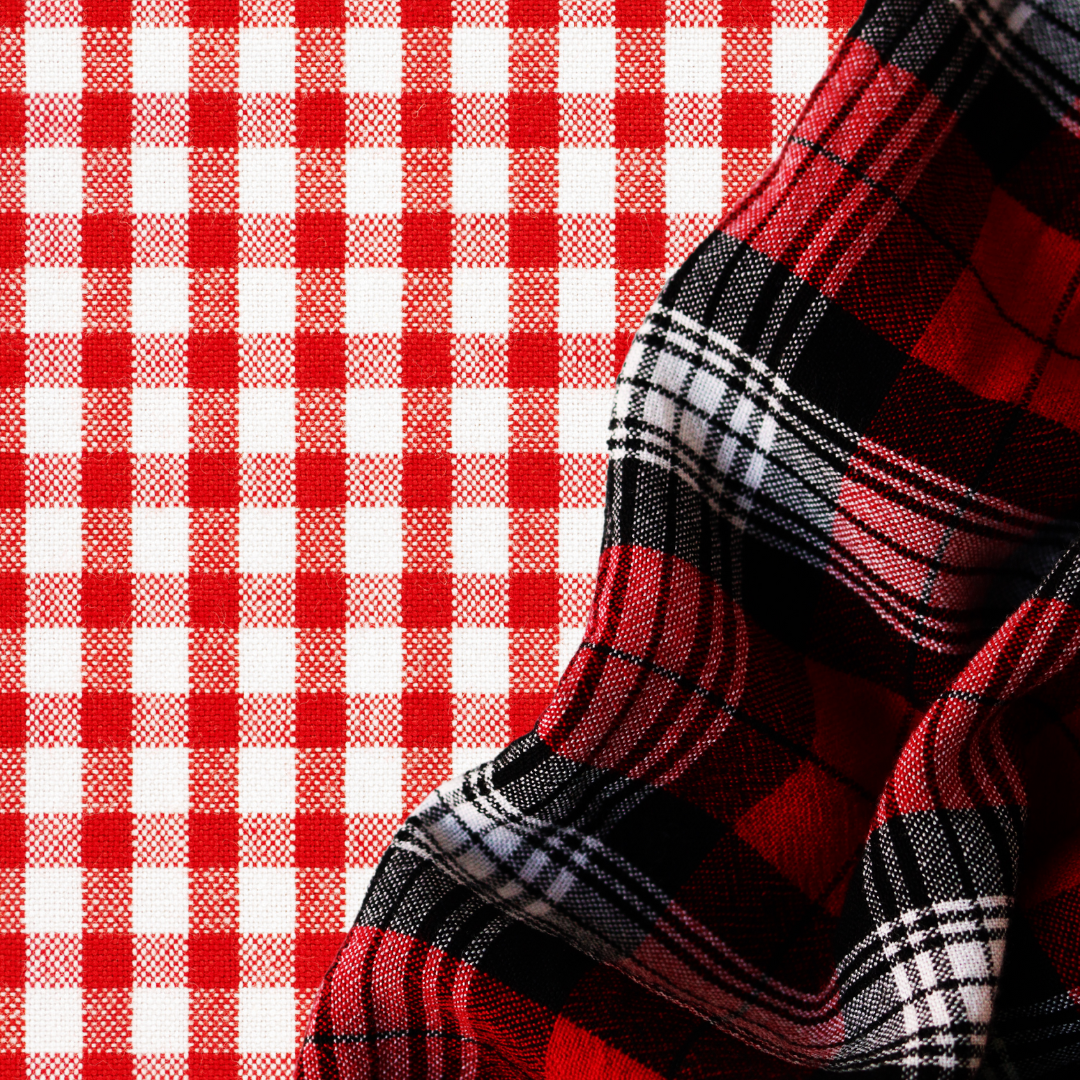
The terms “plaid” and “tartan” are often used interchangeably, but they have distinct meanings rooted in history, culture, and geography. Understanding the difference between the two requires exploring their origins, usage, and cultural significance, particularly in the context of Scottish heritage. This discussion will also consider how these patterns have evolved over time and how they are perceived and used in contemporary contexts.
Definitions and Origins
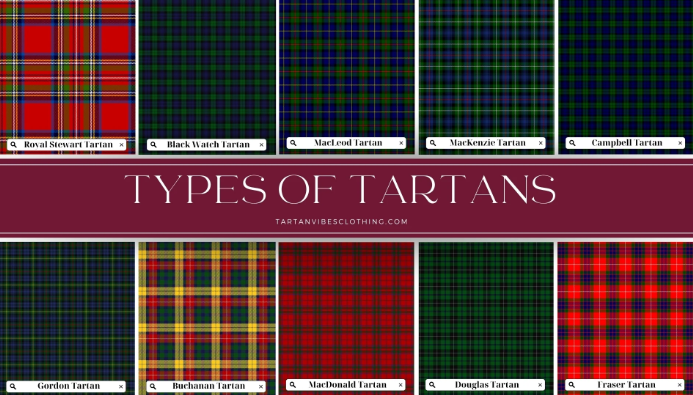
Tartan refers specifically to a pattern of crisscrossed horizontal and vertical bands in multiple colors, woven into cloth. Traditionally associated with Scotland, tartans are created by weaving colored threads in a warp and weft pattern, producing distinctive checks. Each tartan design, known as a “sett,” is unique and often carries symbolic significance, representing specific clans, families, regions, or institutions. Tartans are registered and cataloged in various tartan registries, with the Scottish Register of Tartans being the most notable modern repository.
Plaid, on the other hand, originates from the Gaelic word “plaide,” which means blanket. Historically, in Scotland, a plaid was a large piece of fabric, often tartan-patterned, worn as a cloak or draped over the shoulder. The Great Plaid (or “Feileadh Mòr” in Gaelic) was a long, versatile garment that could be used as both clothing and bedding. Over time, especially in North America, “plaid” came to refer to any fabric or garment with a checked pattern, regardless of whether it was authentically tartan.
Historical Context
Tartan in Scottish History
Tartan’s history is deeply intertwined with Scotland’s cultural and political identity. Archaeological evidence suggests that checked patterns were used in textiles as early as the Bronze Age, though these early examples were not associated with clans. The earliest known tartan in Scotland, the “Falkirk Tartan,” dates to the 3rd century AD. This simple pattern of natural and brown wool was discovered in a Roman-era site and provides evidence of woven checked fabrics in early Scottish society.
By the 16th and 17th centuries, tartan had become a significant part of Highland dress. Specific patterns began to be associated with certain regions or groups, but it wasn’t until the 18th century that tartan became closely linked with Scottish clans. This association was formalized during the rise of tartan’s popularity in Highland regiments, where tartan kilts became a key part of military uniforms.
The Jacobite uprisings of the 18th century further solidified tartan’s cultural symbolism. After the Battle of Culloden in 1746, the British government passed the Dress Act, which banned the wearing of tartan and other traditional Highland attire in an attempt to suppress Highland culture and prevent rebellion. This prohibition lasted until 1782, after which tartan experienced a resurgence, fueled by romanticized notions of Scottish identity.
The 19th century saw a tartan revival, popularized by King George IV’s visit to Scotland in 1822 and Queen Victoria’s fondness for Balmoral Castle. During this period, tartans were systematically cataloged and associated with specific clans, solidifying the modern concept of tartan as a marker of heritage and lineage.

Plaid in Historical Use
While tartan has a clear Scottish origin, “plaid” originally referred to the garment rather than the pattern. In Highland Scotland, a plaid was a practical piece of clothing, serving as a shawl or blanket to protect against the harsh climate. The Great Plaid, a precursor to the modern kilt, was a large length of tartan fabric that could be pleated and belted around the waist while the rest was draped over the shoulder.
When Scottish emigrants brought their traditions to North America, the term “plaid” began to evolve. English-speaking settlers used “plaid” to describe the patterns they associated with Scottish textiles. Over time, in North American English, “plaid” became synonymous with any checked or tartan-like pattern, regardless of its cultural origins.
Cultural Significance
Tartan as a Symbol of Identity
Tartan’s role in Scottish identity is unparalleled. Each tartan design can represent a clan, family, or region, creating a tangible link to ancestry and heritage. Clan tartans, though largely a 19th-century invention, are now deeply ingrained in Scottish culture. Tartan is also used by institutions, military units, and even corporations, further broadening its symbolic reach.
In modern times, tartan is celebrated during events such as Tartan Day, observed annually on April 6 to honor Scottish heritage. The use of tartan in formal Scottish attire, such as kilts and sashes, continues to be a powerful expression of cultural pride.
Plaid in Global Fashion
Plaid, as it is understood outside Scotland, has a more universal and less culturally specific connotation. It has become a staple in global fashion, often associated with casual or rustic styles. The versatility of plaid patterns has made them popular in garments ranging from flannel shirts to scarves and skirts. Plaid patterns can be found in textiles worldwide, with variations influenced by local weaving traditions.
The adoption of plaid by various subcultures, such as grunge in the 1990s, has further cemented its place in contemporary fashion. Unlike tartan, plaid lacks the strict rules and associations of heritage, making it a more flexible and accessible design element.
Key Differences
- Cultural and Historical Roots:
- Tartan is inherently Scottish, tied to clans, regions, and national identity.
- Plaid, while originally Scottish, has evolved into a general term for checked patterns in North American and global usage.
- Symbolism:
- Tartan carries deep symbolic meaning, often representing lineage and heritage.
- Plaid is primarily a decorative pattern with no intrinsic cultural associations.
- Formal Recognition:
- Tartan designs are often registered and cataloged, with specific rules governing their use.
- Plaid patterns are not subject to such formalities and are freely created and adapted.
- Usage in Clothing:
- Tartan is traditionally used in kilts, sashes, and other formal Scottish attire.
- Plaid is more commonly seen in everyday wear, such as flannel shirts and blankets.
Modern Interpretations
In contemporary design and fashion, the distinction between tartan and plaid is often blurred. High-end designers and fast-fashion brands alike incorporate tartan-inspired patterns into their collections, sometimes without regard to their cultural significance. This appropriation has sparked discussions about the importance of respecting the origins and meanings of traditional designs.
Despite this, tartan remains a proud symbol of Scottish heritage, celebrated at events like Highland Games and worn during special occasions. Plaid, meanwhile, continues to enjoy widespread popularity as a versatile and timeless pattern.
Conclusion
The difference between plaid and tartan lies in their origins, meanings, and cultural significance. Tartan, with its roots in Scottish history, represents a unique and powerful symbol of identity, heritage, and tradition. Plaid, while initially connected to Scottish garments, has evolved into a more general term for checked patterns in the global lexicon. Understanding these distinctions not only honors the cultural legacy of tartan but also highlights the ways in which patterns and textiles can transcend their origins to become part of a shared global aesthetic. By respecting and appreciating these differences, we can celebrate the rich history and versatility of both tartan and plaid in modern society.
Leave a Reply